How AI is starting to influence music production has become a big topic among musicians, producers, and fans alike. Tools powered by artificial intelligence are changing the way songs get made, from generating ideas to polishing final tracks.
With over a decade following music tech trends, I’ve watched AI move from simple plugins to sophisticated systems that help create full compositions. In late 2025, AI acts more like a creative partner than a replacement, making production faster and more accessible while sparking debates about originality and jobs.
Here’s a closer look at how AI is starting to influence music production, with real examples, tools, benefits, challenges, and what it means for the future.
Key Ways AI Influences Music Production Today
AI touches nearly every stage of making music. It started with basic tasks like auto-tuning or drum patterns, but now it handles complex creative work.
Generating Ideas And Compositions
One of the most exciting changes comes from AI creating melodies, chords, or entire songs from text prompts. Tools like Suno and Udio let anyone type a description, such as “upbeat pop song about summer adventures,” and get a full track with vocals and instruments in minutes.
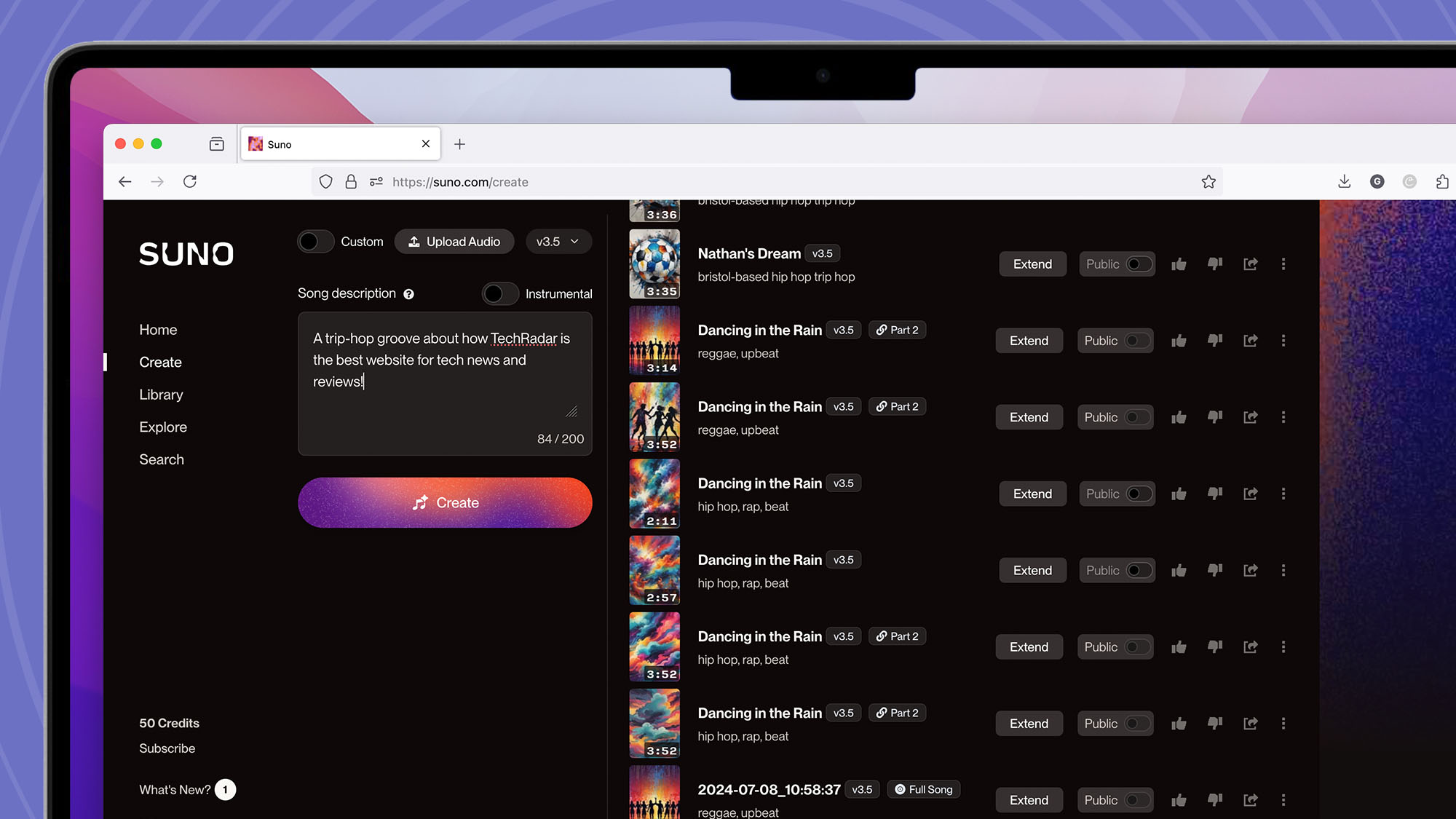
Producers use these for quick demos or overcoming writer’s block. AIVA specializes in emotional soundtracks, helping composers build orchestral pieces faster.
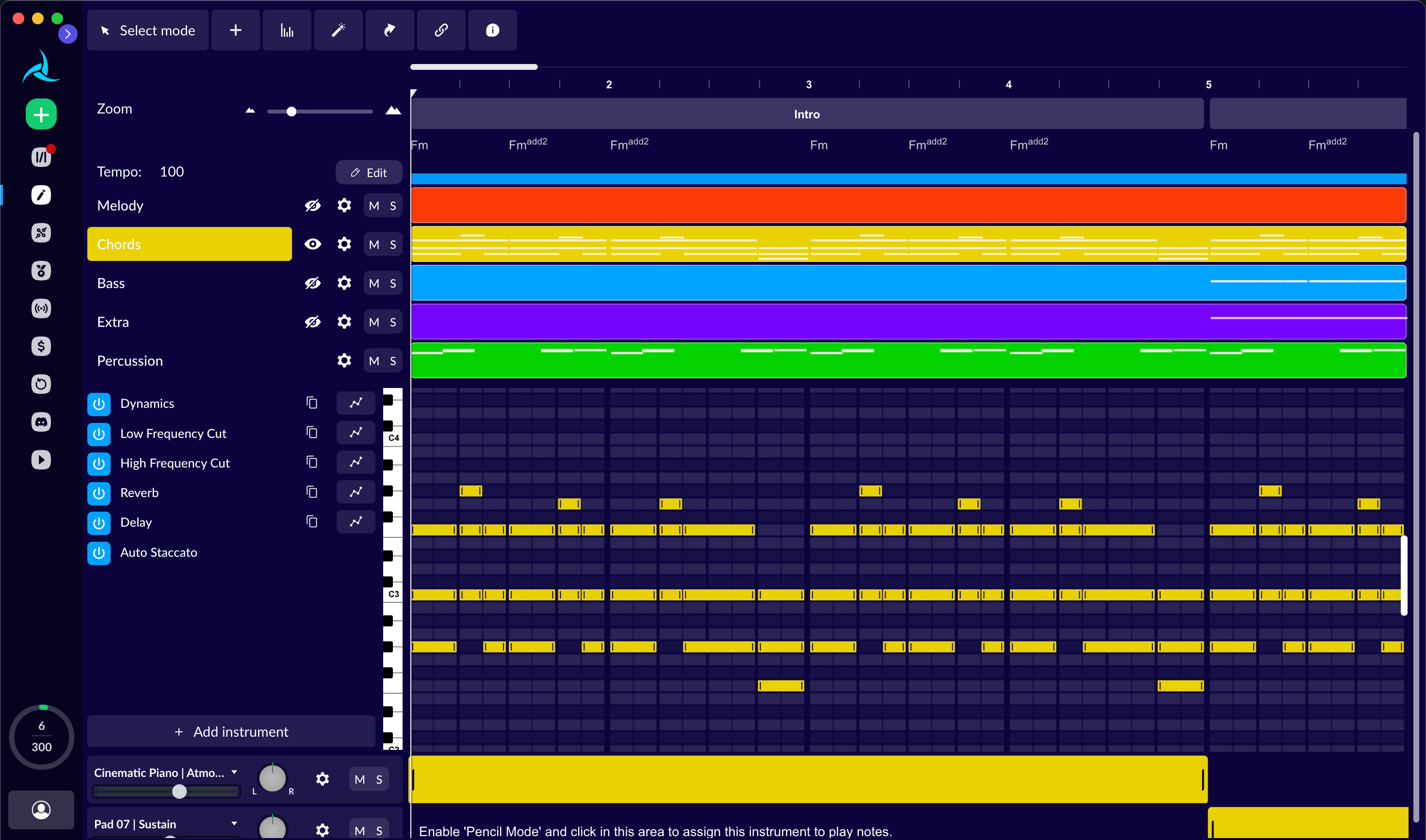
In 2025, reports show around 60 million people used AI to create music last year, proving how widespread this has become.
Mixing, Mastering, And Sound Design
AI excels at technical tasks that once took hours of tweaking. Tools like iZotope Ozone or LANDR analyze tracks and suggest professional mixes and masters automatically.
Stem separation tools, such as LALAL.AI or Moises, split songs into vocals, drums, bass, and more. This makes remixing or isolating parts easy without original multitracks.
Voice transformation plugins let producers change pitches or styles while keeping things natural.
Vocal Synthesis And Restoration
AI creates realistic singing voices or restores old recordings. Artists have used it to “duet” with past icons, like Paul McCartney refining a John Lennon demo.
Ethical tools focus on enhancement rather than deepfakes.
Collaboration And Accessibility
Independent artists benefit most. AI lowers barriers by providing studio-quality results without expensive gear or teams.
Many pros now use AI quietly for inspiration or polishing, even if they don’t always admit it.
Popular AI Tools Shaping Music Production
Here are some standout tools in 2026:
- Suno and Udio: Leaders in full song generation from prompts, producing catchy tracks with lyrics and vocals.
- AIVA: Great for instrumental and cinematic music.
- Kits.AI or Spike AI: Focus on vocal tools and smart mixing.
- LANDR and Ozone: Automated mastering favorites.
- Google’s MusicLM or DeepMind experiments: Research tools influencing commercial ones.
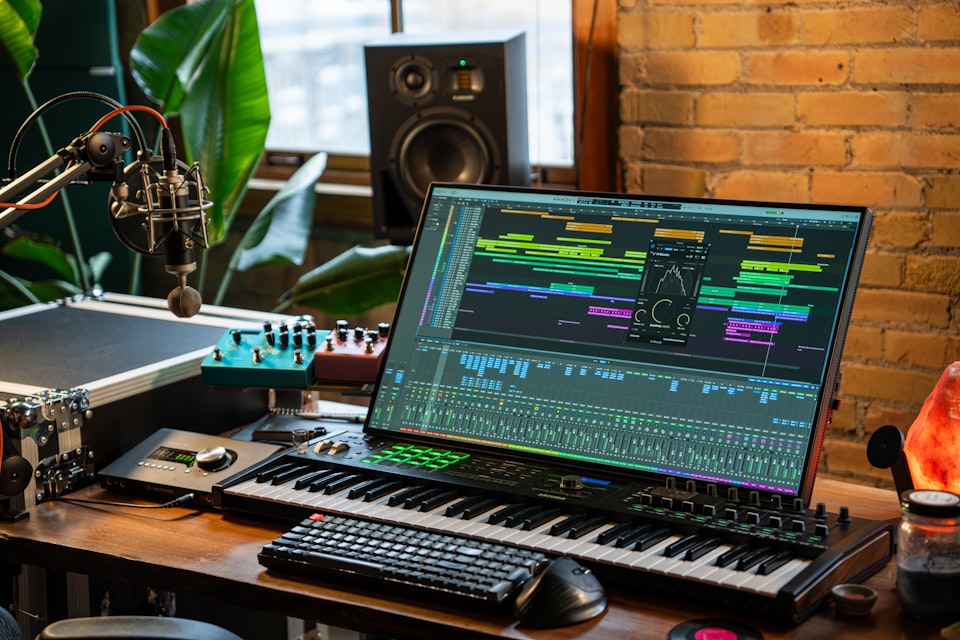
These integrate into DAWs like Ableton or Logic, making workflows smoother.
Benefits Of AI In Music Production
- Speed and Efficiency — Turn ideas into polished demos quickly.
- Democratization — Beginners create pro-sounding music without years of training.
- Inspiration — AI suggests unexpected combinations to break creative ruts.
- Cost Savings — Reduce need for session musicians or engineers in early stages.
- New Sounds — Experiment with hybrids no human might think of first.
Surveys show many producers view AI as a helpful assistant that frees them for emotional and visionary work.
Challenges And Concerns
Not everyone welcomes the change.
- Job Displacement → Fears rise that AI could replace session players, composers for ads/games, or even mixing engineers.
- Copyright and Ethics → Many tools train on existing music, leading to lawsuits from labels and artists over unlicensed data.
- Authenticity → Debates rage about whether AI music lacks “soul” or human emotion.
- Flood of Content → Platforms see thousands of AI tracks daily, making it harder for human artists to stand out.
- Transparency → Calls grow for labeling AI-generated music so listeners know what they’re hearing.
Major labels have sued companies like Suno and Udio, while others partner for licensed AI.
The Future: Collaboration Over Replacement
Most experts agree AI won’t fully replace human creators. It handles repetitive or technical parts well, but struggles with deep emotion, cultural nuance, or live performance energy.
In coming years, expect more hybrid workflows where humans guide AI for better results. Regulations may require disclosure and fair compensation for training data.
Artists who embrace AI as a tool often gain an edge, producing more while focusing on unique expression.
Frequently Asked Questions
How Is AI Starting To Influence Music Production Right Now?
AI generates ideas, mixes tracks, masters audio, separates stems, and creates full songs from text, making processes faster and more accessible.
Will AI Replace Human Musicians And Producers?
Unlikely in the near future. AI lacks true emotional depth and originality, serving best as a collaborator to enhance human creativity.
What Are The Best AI Tools For Music Production In 2025?
Suno and Udio for song generation, AIVA for compositions, LANDR/Ozone for mastering, and stem separators like LALAL.AI.
Is AI-Generated Music Copyrighted Or Ethical?
It’s complicated. Many face legal challenges over training data, and ethical debates continue about fairness and authenticity.
Can Beginners Use AI For Professional Music Production?
Yes, tools democratize high-quality production, helping newcomers create impressive tracks without advanced skills.
How AI is starting to influence music production opens exciting possibilities while raising important questions. The key lies in using it thoughtfully to amplify creativity, not diminish it. Have you tried any AI music tools yet? What’s your take on this shift?