
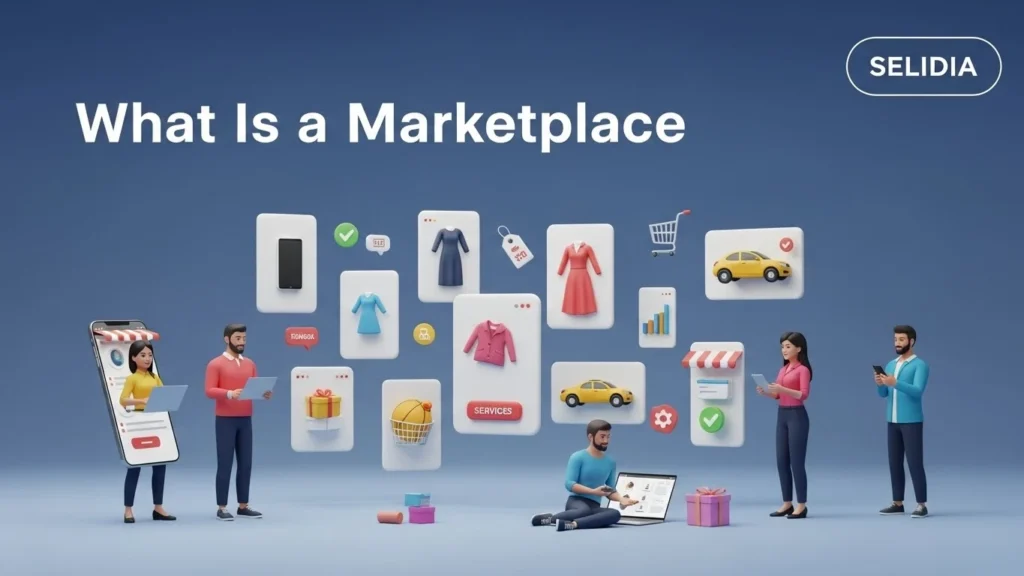
Discover What Is A Marketplace Is With Clear Examples Like Amazon, Temu, eBay, Jumia, And AliExpress
Ever wondered what makes platforms like Amazon or Temu so convenient for shopping? An online marketplace is essentially a digital hub that brings buyers and sellers together in one place, acting like a massive virtual mall where multiple vendors can offer their products.
From my 10+ years watching e-commerce grow, marketplaces have changed how we shop and sell globally. They handle payments, reviews, search tools, and often delivery, while earning through fees or commissions. This model creates huge variety and competition that keeps prices interesting.
Let’s break down what a marketplace really is, with straightforward examples including major players and emerging ones.
What Is A Marketplace?
An online marketplace is a platform where third-party sellers list and sell products (or services) to buyers. The platform itself typically doesn’t own most of the inventory, it facilitates connections, secures transactions, and provides trust features like ratings and returns.
Key types include:
- General (horizontal): Wide range of categories.
- Niche (vertical): Focused on specific areas like fashion or digital goods.
Advantages: Massive selection, competitive pricing, easy comparison shopping. Challenges: Quality can vary, and shipping times differ by seller.
Popular Online Marketplaces Explained
Amazon
The giant everyone knows Amazon mixes its own stock with millions of third-party sellers. Prime offers fast shipping, and tools like FBA help sellers with logistics. Perfect for reliability and almost anything you need.
Temu
A fast-rising budget marketplace from PDD Holdings, connecting buyers directly to manufacturers (mostly China-based) for ultra-low prices on fashion, gadgets, home items, and more. Heavy on deals and gamification, but expect longer shipping.
eBay
The original auction pioneer, now mostly fixed-price sales. Great for new, used, rare, or collectible items from individuals and businesses. Buyer protection and bidding make hunting unique finds exciting.
Jumia
Known as the “Amazon of Africa,” Jumia operates across multiple African countries with a focus on local needs—electronics, fashion, beauty, and groceries. It supports local sellers, offers payment on delivery, and handles logistics in challenging markets.
AliExpress
Alibaba’s global retail arm, famous for factory-direct low prices on everything from clothing to tech. Strong buyer protection and vast selection make it a go-to for affordable international shopping, though shipping times vary.
Konga
One of Nigeria’s leading marketplaces, Konga offers a wide range of products like phones, fashion, and home appliances with strong local focus. It emphasizes Nigerian sellers, flexible payments, and nationwide delivery.
Selidia
A modern multipurpose marketplace making waves, especially in Nigeria and nearby regions. Selidia lets anyone buy and sell physical goods (fashion, accessories, computers, gadgets) plus digital products (courses, software, logins).
Sellers get free stores, optional listing help, and even free sponsored ads. Affiliates earn commissions promoting products, and buyers enjoy secure payments (cards, transfers, USSD) plus a helpful blog section.
Other strong examples include Etsy for handmade items and Walmart for everyday essentials.
Each marketplace has its strengths, whether speed (Amazon), bargains (Temu/AliExpress), local focus (Jumia/Konga), or secure modern features (Selidia).
Frequently Asked Questions
What Is The Simple Definition Of An Online Marketplace?
It’s a digital platform connecting multiple sellers with buyers, managing transactions and trust features while taking fees, unlike single-brand stores.
How Do Online Marketplaces Make Money?
Mainly through seller commissions (usually 8-20%), listing fees, advertising, or premium services like promoted listings and fulfillment.
Is Every Shopping Website A Marketplace?
No—brand sites like Nike.com sell only their own products directly. Marketplaces host many independent sellers.
Which Marketplace Is Best For African Shoppers?
Jumia and Konga lead for local delivery and payments, while Selidia offers modern security plus digital products with growing regional focus.
Are Newer Marketplaces Like Selidia Safe?
Platforms that manually verify sellers, use escrow, and offer multiple secure payments like Selidia, build strong trust quickly.
Understanding marketplaces helps you shop smarter and even spot selling opportunities. Which one do you use most often?