

If you’re looking to dive into the rich world of Hausa literature, you’ve come to the right place. Hausa novels offer a fascinating blend of traditional storytelling, cultural insights, and modern themes that reflect life in Northern Nigeria and beyond. From classic adventures penned in the early 20th century to contemporary romance tales known as littattafan soyayya (love novels), these books capture the essence of Hausa culture, including themes of love, morality, society, and personal growth.
Whether you’re a beginner exploring African literature or a seasoned reader seeking authentic voices, this list of the top 10 best Hausa novels will guide you through must-read titles that have shaped generations.
Hausa novels have evolved over time. Traditional works often draw from oral traditions, Islamic influences, and everyday wisdom, while modern ones tackle real-life issues like marriage, family dynamics, and social challenges. Many are written in the Hausa language using the Roman script (Boko), but some have English translations available.
These stories aren’t just entertaining, they provide deep knowledge about Hausa customs, proverbs, and values. Let’s explore the top picks, ranked based on their cultural impact, popularity, and literary value.
1. Ruwan Bagaja By Abubakar Imam
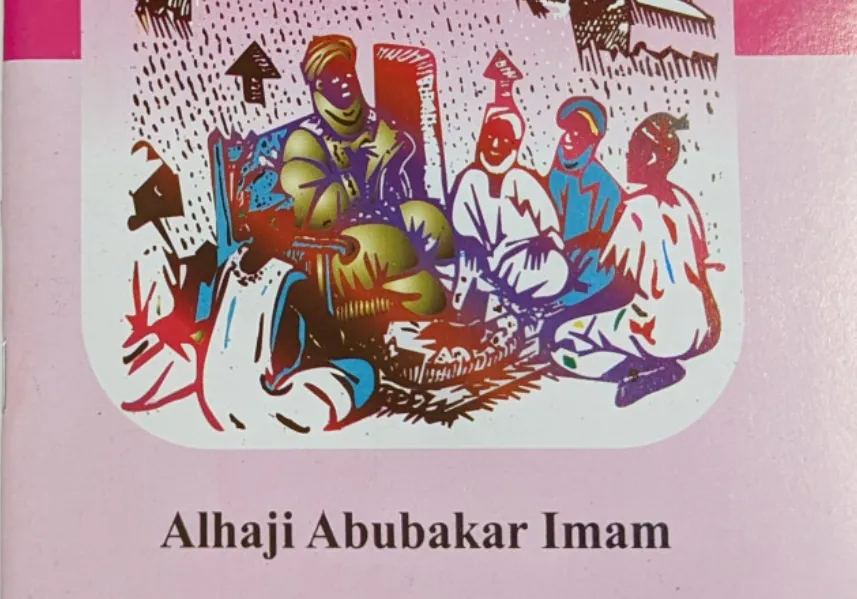
Published in 1934, this is one of the foundational novels in modern Hausa literature. It follows the satirical adventures of a boastful character who claims to have drunk the “water of Bagaja,” granting him extraordinary powers.
Through humor and clever storytelling, Imam critiques societal flaws like arrogance and deception. Why read it? It’s a perfect introduction to Hausa wit and proverbs, blending fantasy with moral lessons. This book won a literary competition and remains a staple in schools for its educational value.
2. Magana Jari Ce By Abubakar Imam
A three-volume collection of stories and proverbs, this 1937 work translates to “Speech is Wealth.” It’s not a single narrative but a treasure trove of tales inspired by global folklore, adapted to Hausa contexts. Characters encounter animals, kings, and everyday folks, teaching lessons on wisdom, ethics, and human nature.
Imam’s masterful use of language makes it timeless. If you’re interested in Hausa idioms and cultural knowledge, this is essential, it’s like a Hausa version of Aesop’s Fables with deeper philosophical insights.
3. Gandoki By Abubakar Imam
Another gem from Imam in 1934, Gandoki is an epic adventure novel about a heroic warrior who travels the world, battling enemies and seeking glory. Drawing from Arabian Nights and local legends, it explores themes of bravery, loyalty, and the clash between tradition and modernity.
Readers love its action-packed plot and vivid descriptions of Hausa life during colonial times. This novel highlights Imam’s role as the “father of modern Hausa literature,” offering historical context alongside thrilling escapades.
4. Jiki Magayi By Hafsat Abdulwahid
Considered one of the first littattafan soyayya novels, published around 1980, this story delves into romance and personal struggles. It follows a young woman’s journey through love, betrayal, and self-discovery in a conservative society.
Hafsat Abdulwahd, a pioneering female author, broke ground by addressing women’s issues openly. Why it’s a must-read: It marks the shift to modern Hausa fiction focused on emotions and relationships, providing knowledge on gender roles in Hausa culture.
5. Alhaki Kuykuyo Ne By Balaraba Ramat Yakubu
This 1990 novel is a bold critique of forced marriages and domestic abuse. The protagonist endures hardship in a polygamous household but finds strength to rebuild her life. Balaraba Ramat Yakubu, a key figure in the soyayya movement, uses realistic dialogue and emotional depth to highlight social injustices. An English translation is available, making it accessible worldwide. It’s packed with information on women’s rights in Hausa society and has inspired many to discuss taboo topics.
6. In Da So Da Kauna by Ado Ahmad Gidan Dabino
One of the best-selling Hausa novels ever, published in 1991, this romance epic explores true love amidst obstacles like family pressure and societal expectations. The title means “With Love and Affection,” and it weaves passion, drama, and redemption.
Ahmad Gidan Dabino’s straightforward style makes it easy to follow, while imparting lessons on patience and forgiveness. If you want a feel-good story with cultural depth, this is it, it’s often credited with popularizing soyayya among young readers.
7. Zagon Kasa by Khadeeja Candy
A modern hit from the 2010s, this novel tackles themes of revenge, love, and family secrets in a contemporary setting. The plot revolves around betrayal and reconciliation, with twists that keep readers hooked.
Khadija Candy’s engaging writing style appeals to younger audiences, blending traditional Hausa values with urban life. It’s a great example of how Hausa novels have adapted to modern times, offering insights into current social dynamics like youth culture and relationships.
8. Soyayya Gaskiya Ce by Zuwaira Isa
Translating to “Love is True,” this 1990s soyayya classic focuses on authentic romance against the backdrop of cultural norms. The story follows lovers navigating jealousy, misunderstandings, and triumphs.
Zuwaira Isa’s work emphasizes emotional honesty and is rich with Hausa proverbs. Why include it? It provides tons of knowledge on interpersonal relationships in Hausa communities, making it both relatable and educational for global readers.
9. Ameenatou by Mamuhgee
Popular on platforms like Wattpad, this recent novel (2010s) is a heartfelt tale of love, faith, and perseverance. It centers on a young woman’s quest for happiness amid trials, incorporating elements of spirituality and family bonds. Mamuhgee’s natural prose feels like a conversation, drawing from real-life inspirations. It’s ideal for those seeking uplifting stories with moral undertones, showcasing how digital platforms have boosted Hausa literature’s reach.
10. Hanan and Hafeez By Maryam Gide
Another Wattpad favorite from the 2010s, this romance follows the ups and downs of two soulmates facing external challenges. Themes of destiny, trust, and cultural identity shine through. Maryam Gide’s simple yet poignant storytelling makes it accessible, while packing in details about Hausa weddings and traditions. If you’re new to soyayya, start here, it’s a modern entry point with loads of cultural knowledge.
These novels represent the diversity of Hausa literature, from Imam’s classics that laid the groundwork to the empowering soyayya works by women authors. Reading them not only entertains but also educates on Hausa history, language, and societal evolution. Many are available online, in markets like Kano, or through translations on sites like Amazon.
FAQs
What are Hausa novels?
Hausa novels are stories written primarily in the Hausa language, originating from the Hausa people in West Africa, especially Nigeria and Niger. They include traditional tales with moral lessons and modern romance novels (littattafan soyayya) that address love, family, and social issues. They’re known for incorporating proverbs, Islamic influences, and cultural elements.
Where can I find Hausa novels to read?
You can find them in Nigerian markets like those in Kano, online platforms such as Wattpad, Selidia Book Store, or HausaNovels.com.ng. English translations of classics are on Amazon or Goodreads. For free options, check PDF downloads on sites dedicated to Hausa literature, but support authors by buying originals.
Are Hausa novels only about romance?
No, while many modern ones focus on romance (soyayya), classics like those by Abubakar Imam are adventures, satires, or wisdom collections. They cover a wide range: history, morality, fantasy, and contemporary problems like gender equality.
Why should I read Hausa novels?
They offer unique insights into African perspectives, Hausa customs, and universal themes. They’re simple yet profound, helping you learn about diversity, empathy, and cultural heritage. Plus, they’re engaging and often shorter than Western novels, making them great for quick reads.
Are there English translations of Hausa novels?
Yes, some like “Sin is a Puppy That Follows You Home” and works by Abubakar Imam have translations. Search on academic sites or publishers specializing in African literature for more.
Exploring these top Hausa novels will enrich your understanding of one of Africa’s vibrant literary traditions. Which one will you pick up first? Share your thoughts in the comments!
![Gidan Uncle Hausa Novel Complete [Download Now]](https://selidia.com/wp-content/uploads/2026/04/Gidan-Uncle-Hausa-Novel-1024x572.webp)